“In 2025, silver is experiencing a notable surge, and there’s much more to this versatile metal than meets the eye, with its expanding uses and investment appeal driving interest.”
“Silver on the Rise in 2025: Exploring the Metal’s Growing Potential”

“Over the past year, silver has surged over 70%, moving in tandem with gold as investors turn to precious metals for security and protection against inflation. On Friday, silver was priced around $51 per ounce in the London spot market, slightly below its record peak above $54 reached in October.”
Over the last twelve months, silver has experienced a remarkable climb, gaining more than 70% in value. This rise has largely mirrored the movement of gold, as both metals are increasingly sought after by investors looking for a safe haven amid economic uncertainty. Precious metals like silver and gold are traditionally viewed as hedges against inflation, making them attractive options when currency values fluctuate or markets show signs of instability. In recent months, heightened concerns over rising prices and potential market volatility have fueled demand for these tangible assets, pushing silver’s price upward. As of Friday, the London spot market recorded silver trading at approximately $51 per ounce. Although this represents a slight pullback from its all-time high, which surpassed $54 in October, the overall trend over the year highlights a strong performance for the metal. Analysts note that silver’s dual role as both an industrial commodity and a store of value contributes to its growing appeal among investors, reinforcing its status as a key player in portfolios aimed at preserving wealth and mitigating risk during uncertain economic times.
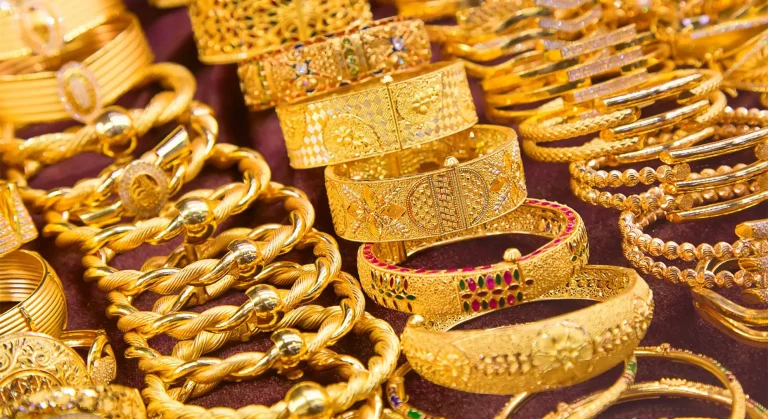
Silver is widely recognized for its use in jewelry, where its lustrous appearance and durability make it a popular choice for rings, necklaces, bracelets, and other adornments. However, its significance extends far beyond decorative purposes. The metal plays a crucial role in a variety of industrial and technological applications, many of which are experiencing rapid growth. For example, silver is an essential component in the production of electric vehicles, where it is used in batteries, electrical contacts, and wiring due to its superior conductivity. In the electronics sector, silver is found in circuit boards, connectors, and other high-performance components, contributing to the efficiency and reliability of modern devices. Additionally, silver is heavily utilized in renewable energy technologies, particularly in solar panels, where its conductive properties are critical for converting sunlight into electricity. The medical field also relies on silver for its antimicrobial properties, incorporating it into wound dressings, surgical instruments, and medical devices to prevent infections. This combination of aesthetic appeal and practical utility makes silver a uniquely versatile metal. As industrial demand continues to expand alongside its traditional use in jewelry, silver’s importance in both everyday life and advanced technology is becoming increasingly pronounced, positioning it as a metal of growing strategic value.


“Silver’s recent surge has been largely fueled by significant inflows into ETFs, which could leave it somewhat exposed to short-term price corrections,” explained Suki Cooper, head of global commodities research at Standard Chartered. “However, we expect that after the first quarter of next year, the metal will resume its upward trajectory and potentially reach new highs by the end of the year.”
ETFs, or exchange-traded funds, offer investors a way to gain exposure to silver in various forms. This includes investing in silver-focused ETFs, shares of mining companies, ETFs that track mining stocks, physical silver in bars or coins, and even jewelry.
Suki Cooper projected that silver is likely to average around $50 per ounce during the current quarter. Looking ahead, she anticipates that the metal will continue its upward trend, reaching an average price of approximately $57 per ounce in the fourth quarter of next year. When considering the entire year, Cooper expects silver to trade at an average of $38.80 per ounce for this year. For the following year, she forecasts a notable increase, with the metal’s average price rising to about $52.80 per ounce, reflecting stronger demand and renewed investor interest over the next twelve months.
Bank of America anticipates that silver prices will continue to rise, despite projecting an 11 percent drop in demand next year. In its October outlook, the bank highlighted the potential for the metal to reach a peak of $65 per ounce by 2026. Over the course of the year, the firm expects silver to maintain an average price of approximately $56.25 per ounce. This forecast reflects a combination of factors, including ongoing investor interest in precious metals as a hedge against inflation and market uncertainty, as well as silver’s growing role in industrial and technological applications.
Last week, the U.S. government officially designated silver as a critical mineral, sparking speculation that new tariffs could be introduced to promote increased domestic production. Currently, the United States relies on imports for roughly two-thirds of its silver consumption.
Suki Cooper noted that this classification is unlikely to alter the overall price outlook, explaining that the market had largely anticipated the announcement. Investors are now focused on potential tariff developments, though some exemptions for silver have already been granted.
Concerns over tariffs have created volatility in the silver market. Throughout the year, U.S. inventories grew as traders stockpiled the metal in anticipation of possible import restrictions, with this accumulation peaking in early October. At the same time, strong ETF demand and increased purchasing from India ahead of Diwali contributed to heightened market activity.
The strong demand led to short-term shortages in London and a temporary price spike in an already tight silver market. London, being the world’s largest storage hub for silver, saw supplies return to its vaults at an unusually fast pace over recent weeks.
Bart Melek, global head of commodity strategy at TD Securities, noted that such supply squeezes are likely to become more common over the next few years. He explained that the October squeeze occurred because silver was not in the right locations, but underlying fundamentals remain tight. The market is currently running a deficit of around 100 million ounces this year, with a similar shortfall projected for 2026.
“The push toward $55 was largely driven by liquidity being pulled from the LBMA market, creating a squeeze. Now we’re seeing arbitrage flows reverse,” Melek added. He also pointed out that one factor behind the price pullback after October’s record highs was the increased availability of silver in the market.
We’re seeing silver coming from Asia, often as a byproduct of copper, zinc, and other metal smelting, which would normally be consumed locally,” he explained. “Some of this metal is now finding its way to India, while a portion is reaching the LBMA in London, helping to ease supply pressures and contributing to the recent drop in prices.”
Cooper added that, since ETFs have played a major role in driving silver prices this year, investors need to pay attention to fund flows. “There have been significant redemptions recently,” she said, noting that these movements can shift quickly in either direction, influencing the market noticeably.


She noted that ETFs are particularly popular among retail investors, a group that tends to react quickly to market movements. “We’ve already seen significant redemptions—480 tons in October alone—but year-to-date, holdings are still up by around 3,000 tons,” she explained.
Rising prices can also reduce demand from industrial users, who may switch to alternative metals or metal combinations, such as nickel, copper, or aluminum, to meet their needs.
Marc Chandler, chief global market strategist at Bannockburn Global Forex, said it remains uncertain whether the U.S. will impose new tariffs on silver. He highlighted that the U.S. has applied tariffs on aluminum imports from Mexico and Canada, which are the country’s largest silver suppliers, suggesting that similar measures could be possible for silver.
“Silver’s gains are driven in part by gold prices as well,” Chandler added. “The technical outlook looks bullish, but since we’ve never traded at these levels before, it’s difficult to predict just how high prices might climb.”
Suki Cooper noted that the trading landscape for silver has undergone a noticeable transformation in recent years. Historically, silver often moved in its own distinct patterns, but over the last couple of years, it has shown a tendency to track copper more closely. This correlation with copper reflects broader industrial influences on the market, as both metals are integral to manufacturing and technology applications. However, the silver market has faced persistent supply constraints in recent years, creating an environment of chronic undersupply. While substantial quantities of silver exist above ground in the form of stockpiles, these reserves have not consistently translated into higher prices, suggesting that other factors are influencing market dynamics. Cooper highlighted that a combination of shifts this year—including changes in investor behavior, industrial demand, and broader macroeconomic conditions—helped push silver prices upward.
The metal has also benefitted from broader currency trends, particularly the weakness in the U.S. dollar. As concerns about the country’s fiscal deficits and rising national debt have grown, investors have looked to precious metals like silver and gold as a hedge against potential currency depreciation. This dynamic has contributed to increased buying activity and provided additional support to silver’s price movement. Cooper emphasized that these market forces, combined with underlying supply challenges, created conditions that allowed silver to break through previous resistance levels.
Bart Melek, global head of commodity strategy at TD Securities, echoed the long-term optimism surrounding silver. He pointed out that, despite short-term volatility, the structural supply deficit in silver remains significant. Even when above-ground stocks are taken into account, current demand—driven both by industrial applications and investment flows—continues to outpace supply. This imbalance, Melek suggested, provides a strong foundation for future price growth, even if short-term fluctuations occur.
Investors have increasingly recognized the dual nature of silver as both an industrial metal and a store of value. Industrial demand, particularly from sectors such as electronics, renewable energy, and electric vehicles, continues to expand, while investment demand through ETFs, coins, and bars remains robust. Cooper noted that the interplay of these factors has made the market more dynamic and less predictable than in past decades. While price swings can be more pronounced in the short term, the underlying fundamentals point to sustained interest in the metal.

Looking further ahead, Melek and Cooper both maintain a positive outlook. They argue that while silver has experienced periods of sharp price corrections, its long-term trajectory remains favorable. Concerns over fiscal policy, currency weakness, and persistent supply deficits are likely to keep interest in the metal elevated. At the same time, the expanding industrial applications of silver provide an additional layer of support, ensuring that demand is not solely dependent on investor sentiment.
In summary, the silver market today reflects a complex interplay of industrial demand, investment flows, macroeconomic influences, and supply constraints. The metal’s recent price performance has been shaped not just by traditional factors, but also by shifting investor behavior and global economic developments. While near-term volatility is possible, both Cooper and Melek remain confident that silver’s long-term prospects are strong, positioning it as a compelling asset for investors seeking both growth and protection against economic uncertainty.