“Emirates Airlines has announced that, beginning on November 15, it will temporarily stop operating all flights to Damascus, effectively suspending its air service to the Syrian capital until further notice.”
“Emirates to halt flights to Damascus from November 15”
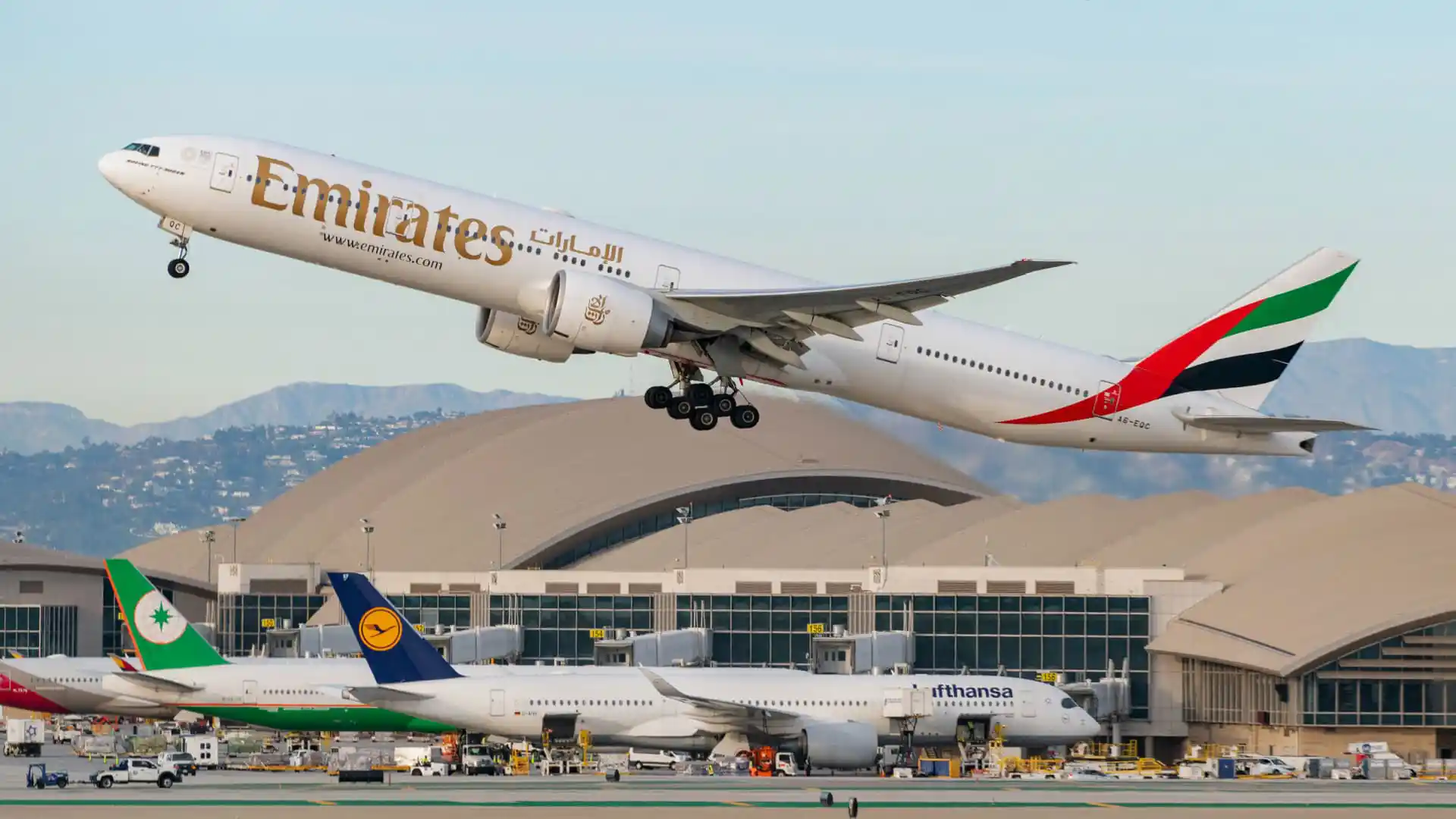
“An Emirates spokesperson told on Friday that the airline will pause its flights to Damascus beginning Saturday, November 15, until further notice. The Dubai-based carrier added that the move comes after a routine review aimed at optimizing fleet usage in line with its business goals.”
“Travel between Dubai and Damascus will continue through flydubai, despite Emirates’ suspension of its flights. The airline confirmed that passengers booked on Emirates flights after November 14, 2025, will be transferred to flydubai, apologizing for any inconvenience and expressing hope to restart Emirates services as soon as possible.”
Earlier this year, in June, Emirates made headlines by announcing its plan to resume flights connecting Dubai and Damascus, marking a significant return to the Syrian capital after a long hiatus. The airline had initially halted operations to Damascus in 2012, a decision influenced by the outbreak of the civil war in Syria. After more than a decade, the resumption was scheduled to begin on July 16, signaling renewed confidence in the region’s aviation environment and an effort to reconnect the UAE with Syria through regular air travel.
At the start, Emirates opted for a conservative approach, offering three flights per week, operating on Mondays, Wednesdays, and Sundays. This initial schedule allowed the airline to gradually reestablish operations while closely monitoring demand and operational feasibility. Following this phased approach, Emirates revealed plans to increase the frequency to four flights weekly from August 2, adding a Saturday service to better accommodate travelers and provide more flexible options for passengers between the two cities.
The expansion did not stop there. By October 26, Emirates had upgraded its Damascus route to daily flights, employing a Boeing 777-200LR aircraft with 302 seats. This move reflected both an operational commitment and a strategic evaluation of passenger demand, ensuring that the airline could meet growing interest while maintaining service quality.
The decision to return to Syria was not taken lightly. Emirates’ resumption of flights followed a thorough assessment conducted in collaboration with the UAE General Civil Aviation Authority, ensuring that all regulatory, safety, and operational requirements were met. The UAE’s aviation landscape to Damascus also includes services by Etihad Airways and flydubai, giving passengers multiple choices for traveling between the two nations. Emirates’ careful, step-by-step approach highlights its focus on balancing operational efficiency with passenger convenience, signaling a cautious but optimistic return to one of the region’s historically significant routes.
Emirates Airlines, one of the leading carriers in the Middle East, has confirmed that starting on November 15, 2025, it will pause all its flights to Damascus, the capital of Syria. This temporary suspension will remain in effect until further notice, with no specific date announced for the resumption of services. The airline stated that this decision follows a strategic review of its operations, aimed at optimizing fleet allocation and ensuring that its flight network aligns with broader business objectives and passenger demand patterns. While Emirates has not indicated whether the pause is linked to geopolitical factors, operational considerations, or a combination of both, the airline emphasized that the move is part of a routine operational assessment designed to maintain efficiency and high standards across its global route network.
Passengers who had already booked travel on Emirates flights to Damascus after November 14, 2025, are not expected to face major disruptions, as the airline has confirmed that all affected bookings will be re-accommodated on flydubai, a fellow UAE carrier that continues to maintain air links between Dubai and Damascus. This arrangement is intended to ensure minimal inconvenience for travelers and to provide them with continued access to the route, despite Emirates’ temporary suspension of services. The airline expressed regret for any disruption caused to its customers and reaffirmed its commitment to resuming flights at the earliest feasible opportunity once operational circumstances allow.
The suspension comes after Emirates had gradually expanded its services to Damascus in the months following the reintroduction of flights earlier this year. Initially, the airline resumed operations with a limited number of weekly flights, before progressively increasing the frequency to daily services using its Boeing 777-200LR aircraft. This expansion had been part of a measured approach following extensive consultations with the UAE General Civil Aviation Authority, ensuring that regulatory, safety, and operational requirements were fully met. Other UAE carriers, such as Etihad Airways and flydubai, also operate flights to Damascus, providing multiple options for passengers traveling between the UAE and Syria.
In its official statement, Emirates stressed that the temporary halt of flights should be seen as part of its broader strategy to manage resources efficiently while maintaining flexibility in response to changing operational or market conditions. The airline continues to monitor developments closely and has assured travelers that it remains committed to restoring its services to Damascus as soon as circumstances permit.
This decision highlights the challenges airlines face in balancing operational priorities, regulatory compliance, and passenger convenience, particularly in regions where demand, logistics, and external conditions can fluctuate. Emirates’ step underscores the carrier’s focus on maintaining a safe, reliable, and strategically managed network while offering alternative solutions to minimize the impact on passengers.