For the first time, a replica of a thousand-year-old Quranic manuscript is being displayed at the Sharjah International Book Fair, offering visitors a rare glimpse into centuries-old Islamic heritage and artistry.
Replica of millennium-old Quranic manuscript showcased for the first time at Sharjah Book Fair.
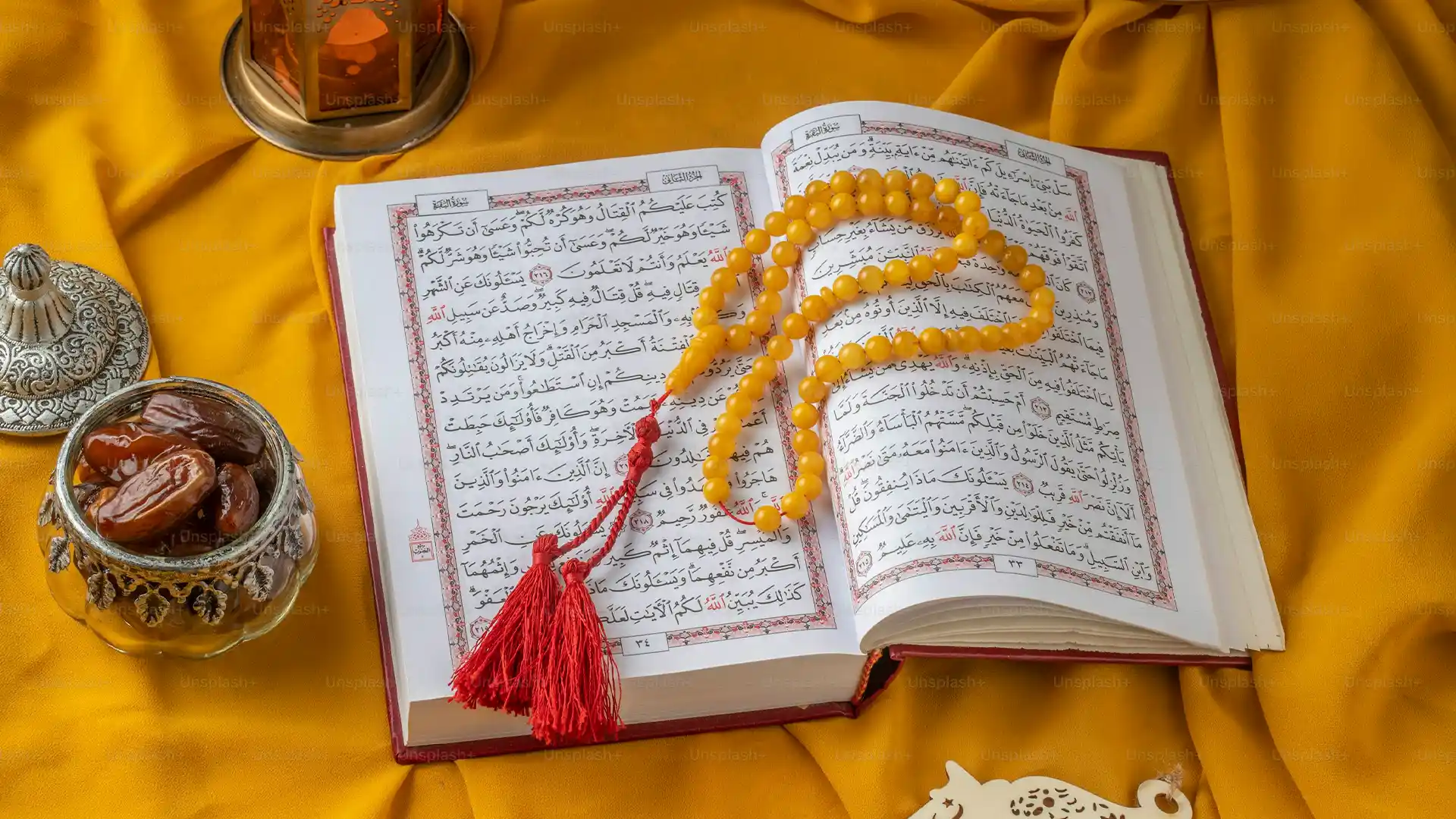
At the 44th Sharjah International Book Fair (SIBF), visitors have the unique opportunity to admire a remarkable piece of Islamic heritage — a replica of a Quranic manuscript crafted over a millennium ago by the famed calligrapher Abu al-Hasan Ali Ibn Hilal, better known as Ibn al-Bawwab.
The meticulously recreated manuscript is being showcased at the Safir Ardehal booth from Tehran, allowing guests to appreciate the elegance and intricate artistry of early Arabic calligraphic traditions.
“This is among the earliest complete Quran manuscripts attributed to a recognized calligrapher,” explained Hamed Deshdashti of Safir Ardehal. “It’s a replica of the Quran transcribed by Ibn al-Bawwab in 391 AH, roughly around 1000 CE. The original manuscript is carefully housed at the Chester Beatty Library in Dublin, Ireland. What sets it apart is that Ibn al-Bawwab was more than a scribe — he elevated Arabic script into a refined art form defined by balance, harmony, and spiritual depth.”
Deshdashti noted that the manuscript is inscribed in the naskh style — a script that Ibn al-Bawwab mastered and refined to perfection. Each page features sixteen lines of precisely arranged text, marked by graceful letters, uniform spacing, and consistent strokes. “In this Quran, every letter seems alive within its own space,” he remarked. “Ibn al-Bawwab’s philosophy was that true beauty emerges from balance — where every curve and dot aligns in rhythm and harmony.”
In contrast to the earlier Quranic scripts like Kufic, known for their angular and rigid shapes, Ibn al-Bawwab’s naskh style brought a sense of grace and legibility to the text. “His writing moves with the rhythm of poetry,” Deshdashti said. “Even modern Arabic calligraphy — whether in print or graphic design — continues to follow the principles he established over a millennium ago.”

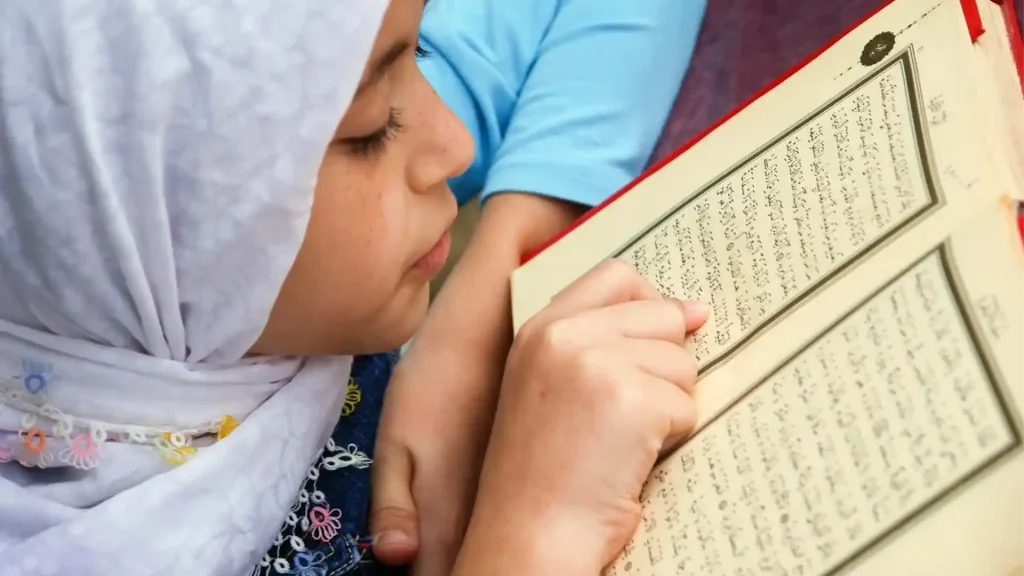
Deshdashti mentioned that the Chester Beatty Quran was most likely both penned and ornamented entirely by Ibn al-Bawwab himself. He not only transcribed the sacred verses but also created the intricate gold embellishments and chapter titles. “He was meticulous in every detail — the script, the gilding, and the floral motifs all reflect the touch of one master hand,” he explained.
The calligrapher crafted his work using natural ink made from soot mixed with gum arabic and employed a carefully cut reed pen (qalam), shaped at a precise angle to produce both delicate and bold strokes in a single movement. The manuscript was written on vellum — a fine parchment made from animal skin — providing a durable, smooth surface that has helped preserve it for over a thousand years.
“For those visiting, this facsimile represents far more than an ancient manuscript — it’s a glimpse into the artistry and devotion of the past,” Deshdashti said. “What stands before you is a testament to human mastery; no technology can truly capture the unity between ink, form, and faith.”
The original Quran by Ibn al-Bawwab is regarded as one of the most precious artifacts of Islamic heritage and is carefully safeguarded at the Chester Beatty Library. “Yet showcasing its replica here in Sharjah holds immense significance,” Deshdashti added. “It celebrates the genius of Muslim craftsmen and the timeless inspiration their artistry continues to bring to the modern world.”